SPONSORED ARTICLE
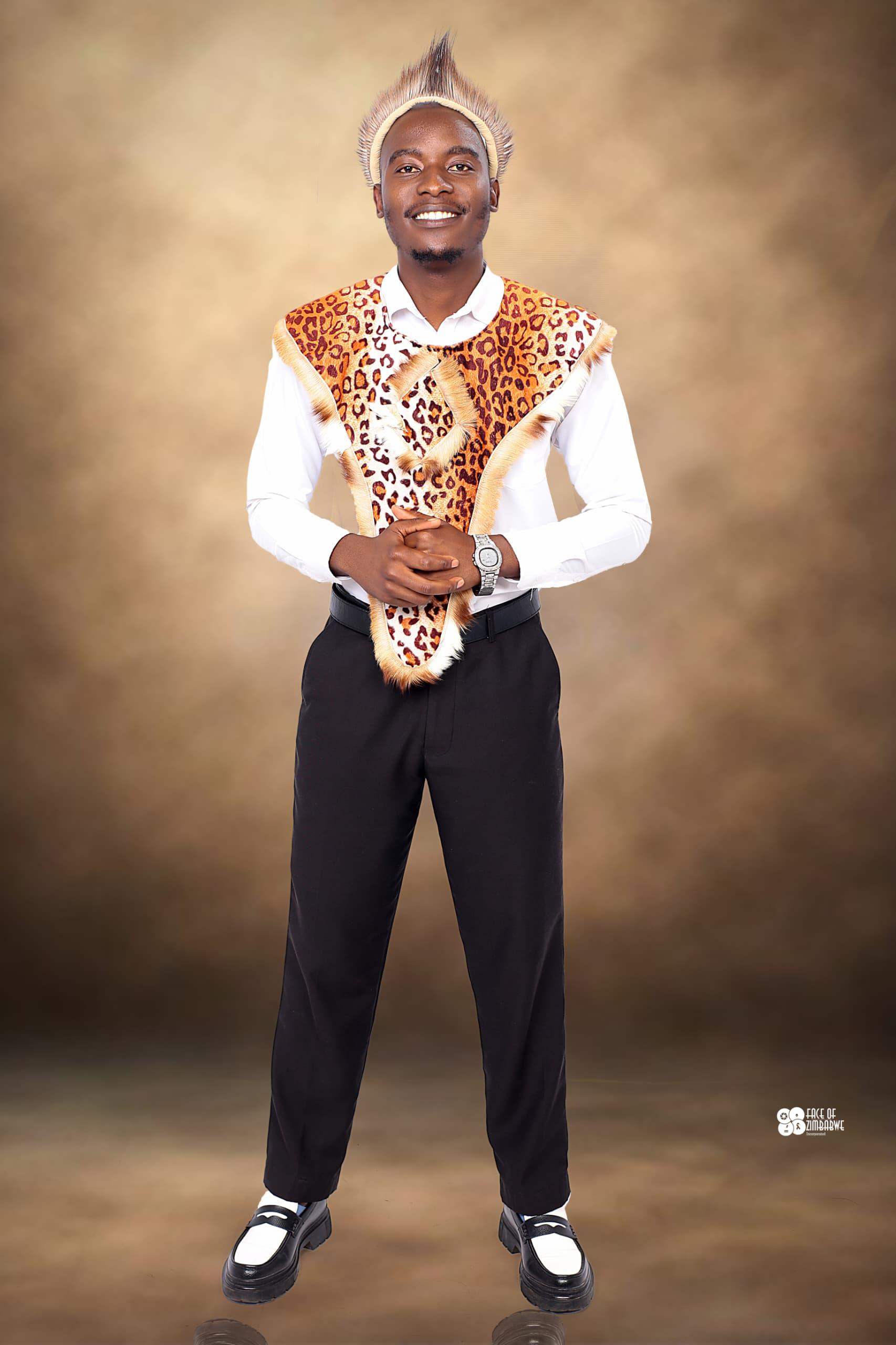
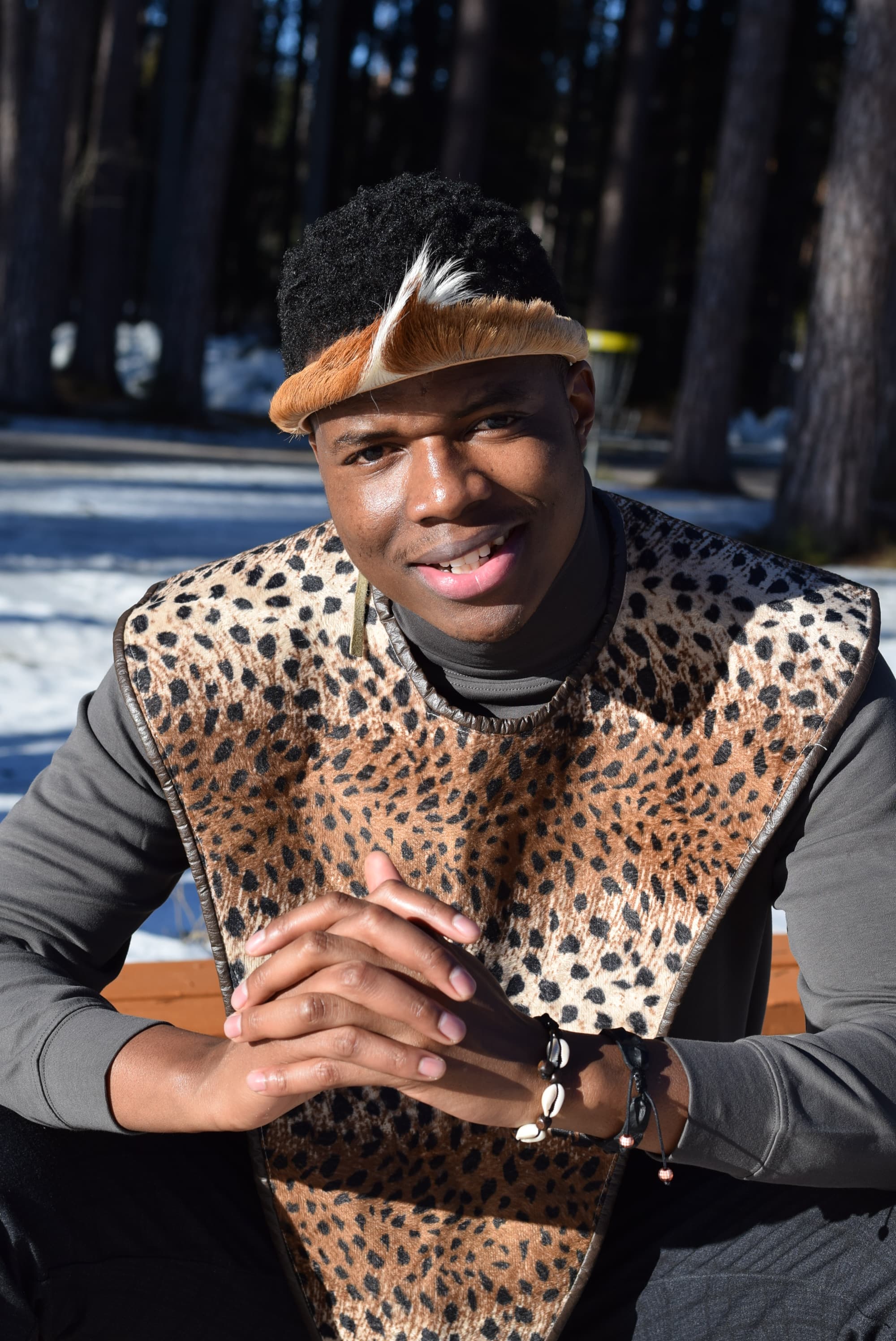
Few figures in Zimbabwe's contemporary cultural and political landscape command as much respect, admiration, controversy, and attention as Mthulisi Ndlovu, popularly known as KingKG or KhuluGatsheni. Widely regarded as one of Zimbabwe's most prominent voices of reason and an increasingly influential voice across Africa, Ndlovu has built a reputation as a fearless protest poet, author, cultural activist, humanitarian, and social commentator whose work consistently challenges power, interrogates injustice, and amplifies the concerns of ordinary people.
For years, his poetry, essays, books, and public interventions have occupied a unique space at the intersection of art, activism, politics, and culture. While many artists choose the safety of neutrality, KingKG has become known for his unwavering commitment to speaking uncomfortable truths regardless of who occupies positions of authority.

In an extensive interview, Ndlovu reflected on his journey from a young activist during the Mugabe era to becoming one of the country's most outspoken cultural and political voices.
"I did not become an activist because it was fashionable. I became an activist because I realised that silence protects the oppressor while the people continue to suffer. If you witness injustice and choose silence, you become part of the machinery that sustains it."
Throughout his career, Ndlovu has consistently used literature and poetry as tools of resistance, challenging corruption, exclusion, inequality, cultural erasure, and governance failures. His writings often address the lived realities of ordinary Zimbabweans while questioning policies and systems he believes undermine human dignity and social justice.
Asked why he continues to challenge authority despite the risks involved, Ndlovu's response was immediate.
"My loyalty has never been to politicians. My loyalty has always been to the people. Leaders come and go, but the suffering of ordinary citizens remains if nobody speaks about it. That is why I refuse to be silent." His activism, however, has not been without consequence.

Over the years, Ndlovu says he has endured multiple physical attacks, intimidation, coercion, and sustained pressure linked to his activism and literary work. According to the protest poet, there have been periods when his safety could no longer be guaranteed, forcing him to leave Zimbabwe and live in and out of exile while continuing his advocacy from beyond the country's borders.
He revealed that he has crossed borders on numerous occasions, not in pursuit of opportunity, but in search of safety.
"There were times when staying became more dangerous than leaving. I have crossed borders multiple times and spent years living in and out of exile because of my work. People often romanticise activism, but they rarely talk about the sacrifices, the fear, the uncertainty, and the loneliness that sometimes accompany it."
Despite these experiences, Ndlovu remains steadfast.
"Fear is what keeps oppressive systems alive. The moment people become too afraid to speak, injustice becomes normal. I made a decision long ago that I would rather live a short life of purpose than a long life of silence."
One of the most defining moments in his activist journey came in 2022 following the publication of his politically charged book, Politicking: Lockdown Memoirs From Within.
The book examined governance, inequality, political culture, and the lived experiences of Zimbabweans during one of the country's most difficult periods. According to Ndlovu, the publication attracted unwanted attention from state authorities.
He claims that shortly after its release, he was subjected to targeted intimidation and questioning by law enforcement agents who accused him of promoting regime-change ideologies.
Reflecting on the experience, Ndlovu expressed concern over what he viewed as growing intolerance toward critical thought.
"I found it fascinating that asking questions was suddenly viewed as a threat. Writers are not enemies of the State. Writers are mirrors of society. If leaders dislike what they see in the mirror, the solution is not to attack the mirror but to address the reflection."
Rather than discouraging him, the experience reinforced his commitment to speaking truth to power.
"The role of a writer is not to comfort power. The role of a writer is to challenge power when power becomes comfortable. Literature has always been a form of resistance, and I see no reason why that should change now."
Beyond political commentary and literary activism, Ndlovu has dedicated a significant part of his life to humanitarian work through TROVOCO (Thee Roots Voluntary Charity Trust).
The organisation has impacted thousands of vulnerable Zimbabweans, particularly orphans, children from disadvantaged rural communities, and people living with albinism. Through various interventions, TROVOCO has worked to combat child marriages, provide educational assistance and tuition support for orphaned children, improve access to clean water through borehole drilling projects, and deliver humanitarian assistance to vulnerable families across the country.
For Ndlovu, activism without service lacks meaning. "I have never believed that activism should end with criticism. If we identify problems, we must also become part of the solution. Through TROVOCO, we have tried to demonstrate that social justice is not just about speaking; it is about serving."
He added:
"A child who remains in school because somebody paid their fees is a victory. A village that gains access to clean water is a victory. A girl protected from child marriage is a victory. These victories may not make headlines, but they change lives."
While many know him as a protest poet and political activist, others regard him as a cultural custodian whose work seeks to preserve indigenous identities while fostering social cohesion.
His recent writings have explored Matabeleland's creative resurgence, Pan-African solidarity, youth empowerment, xenophobia, cultural preservation, social justice, and the responsibility of artists to confront tribalism, racism, classism, Afrophobia, homophobia, and xenophobia.
Ndlovu believes artists have a unique responsibility to guide society through moments of crisis and division. "Artists are not supposed to be spectators. We are supposed to be society's conscience. When hatred rises, creatives must speak for humanity. When division grows, creatives must defend unity. When injustice becomes normal, creatives must challenge it."
His work has increasingly positioned him among a growing group of African intellectuals and cultural figures advocating for justice, human rights, accountability, and Pan-African solidarity. Supporters argue that his influence now extends beyond Zimbabwe, making him one of the continent's most consistent voices on issues of governance, culture, and social transformation.
Asked whether he fears the consequences of his activism, Ndlovu paused before offering what may be the defining statement of the interview.
"As a protest artist, it is my duty to speak uncomfortable truths regardless of who is at the helm of power.
I started being a fearless activist during the Mugabe era, and I remain committed to that path today. I am prepared to die for this noble cause because silence in the face of injustice is a betrayal of the people whose stories we carry."
Supporters describe him as a fearless defender of truth and a champion of the marginalised. Critics regard him as provocative and uncompromising. Yet regardless of where one stands, few dispute his consistency or his refusal to bend his convictions for political favour, financial gain, or personal comfort.
As the interview drew to a close, Ndlovu offered one final reflection on the role of art and activism. "The purpose of art is not to entertain power. The purpose of art is to preserve truth, defend human dignity, and remind people that they deserve better. If artists become afraid to speak, society loses one of its most important mirrors."
For Mthulisi Ndlovu, activism has never been about popularity or recognition. It has always been about conviction. In an era where many choose caution, the protest poet continues to choose courage.